
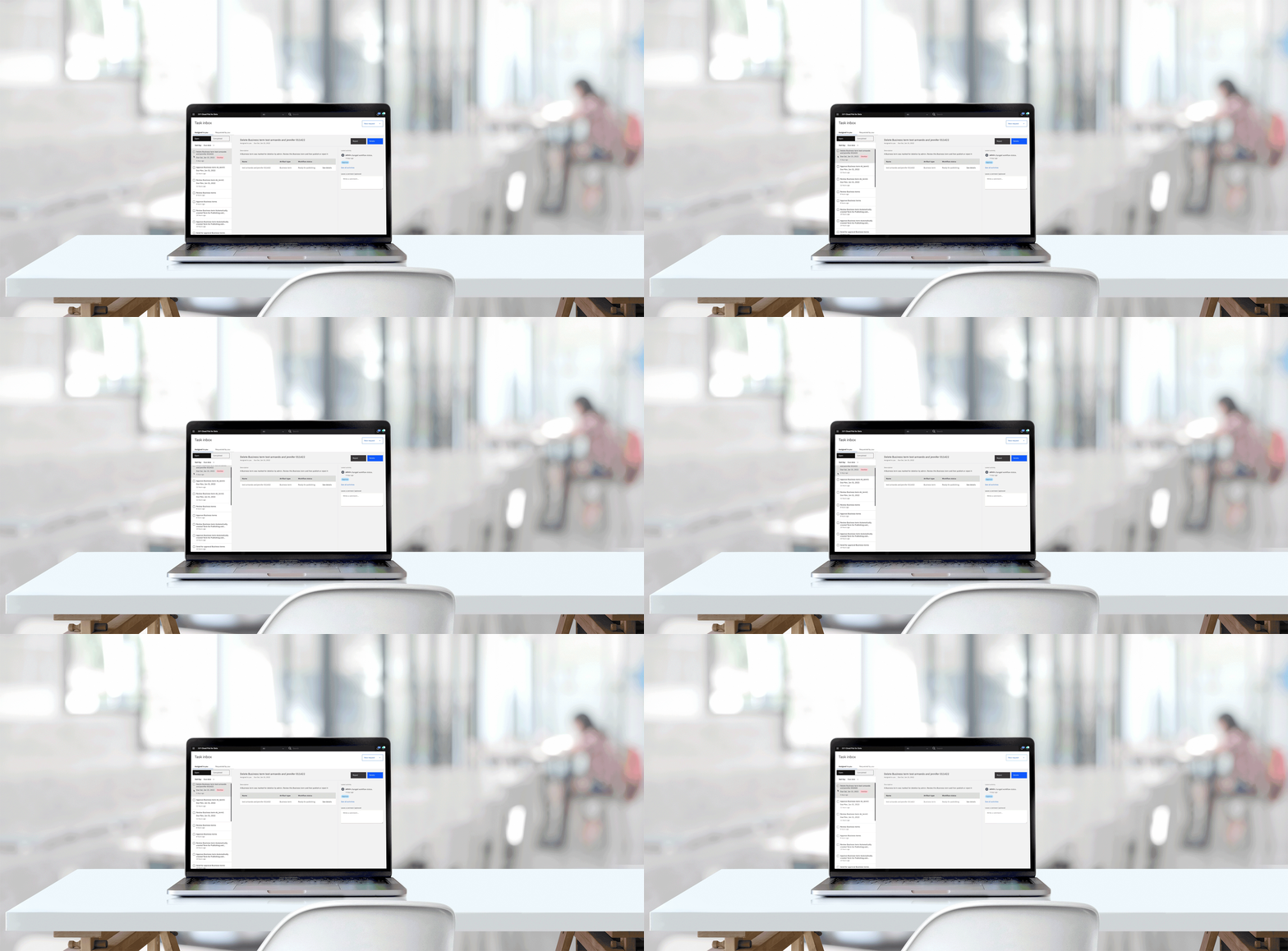
IBM Cloud Pak for Data — Workflow Engine
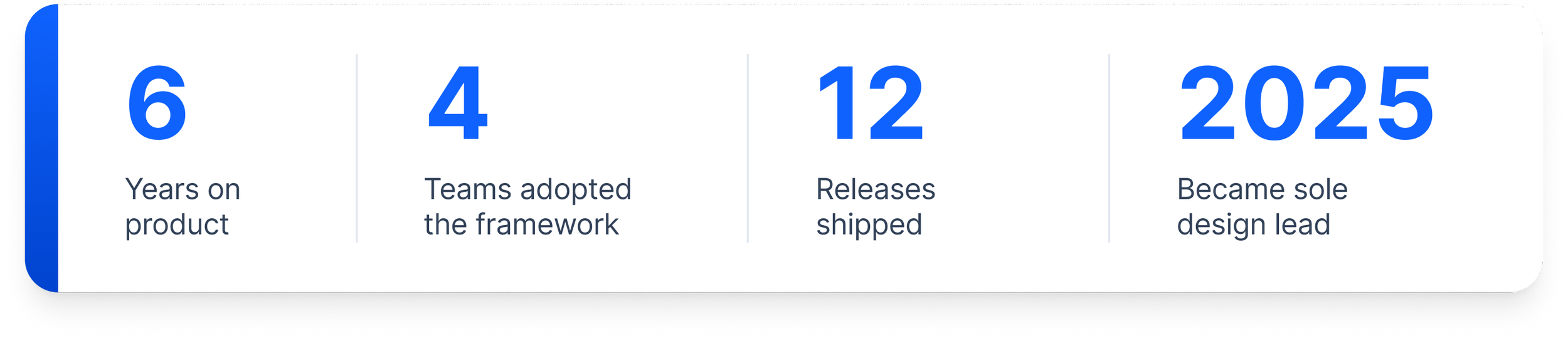
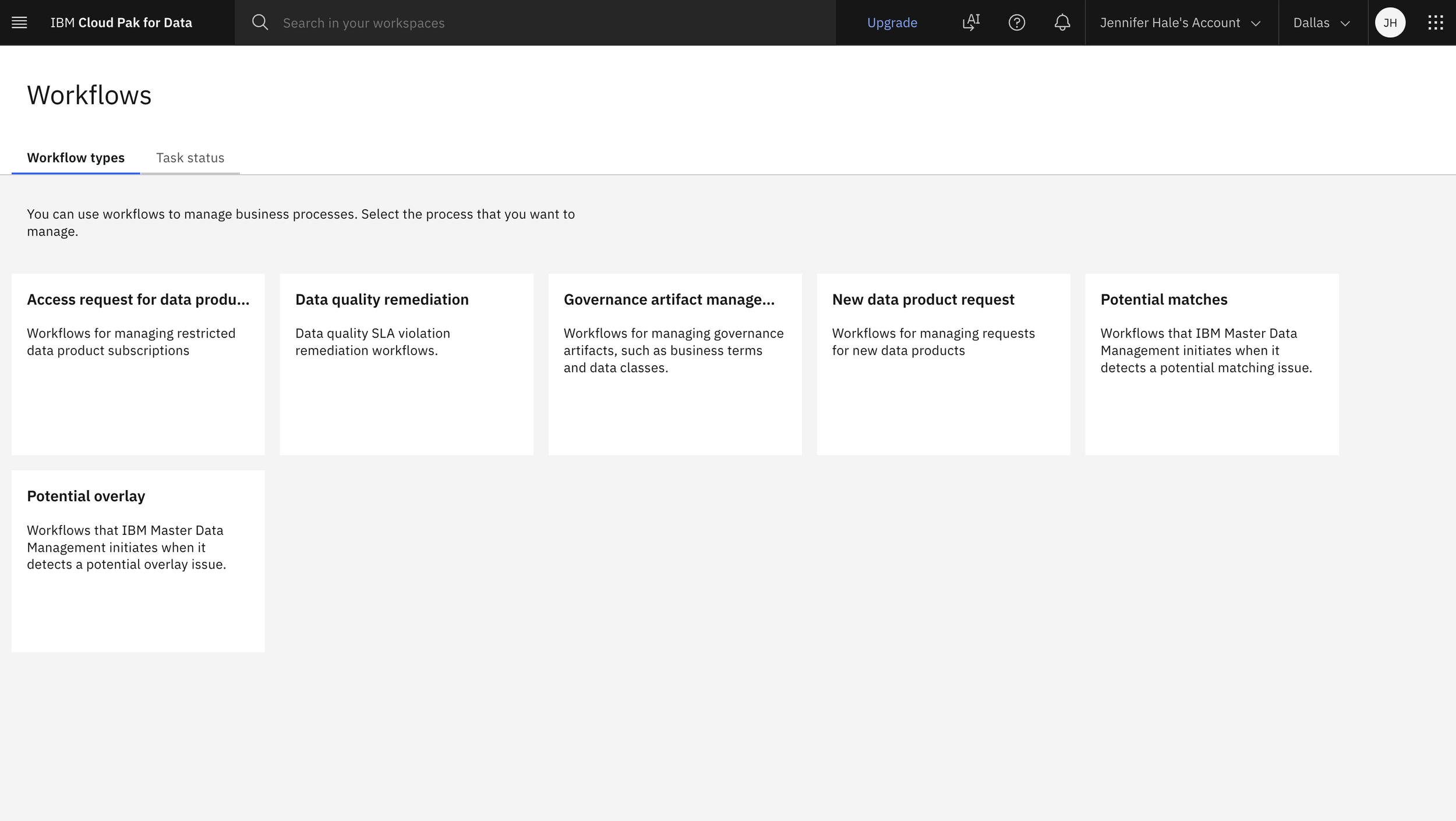
I design systems that bring order to complex governance processes. IBM's Workflow Engine gives customers a centralized tool to build, configure, and manage workflows for their business processes. I've been shaping this product since its initial launch.
I joined as a UX Design Apprentice in 2020 and became sole design lead in 2025. Over 12 releases, I've designed three core areas: workflow configuration, task inbox, and an admin dashboard for monitoring team progress.
The Challenge
Enterprise teams needed a centralized tool to build, configure, and manage governance workflows while maintaining audit trails.
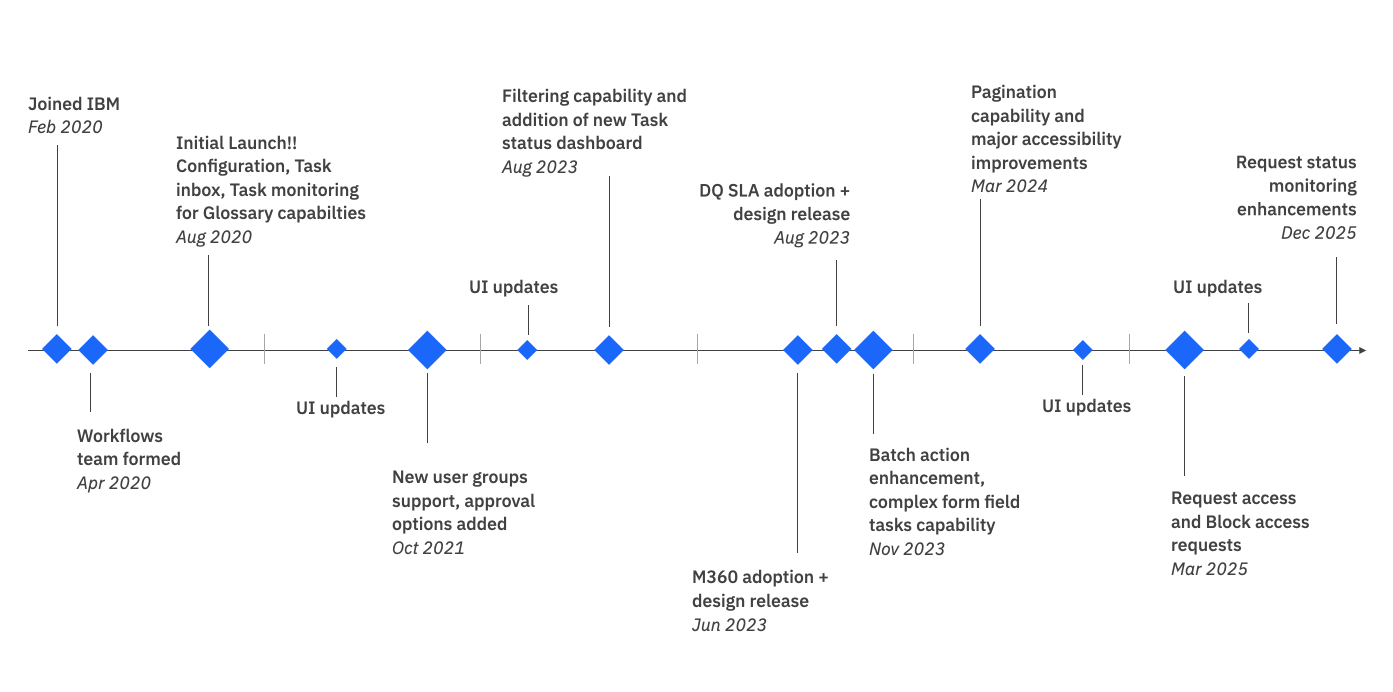
Workflows release timeline
Task Inbox
Role: UX Designer → Design Lead
-
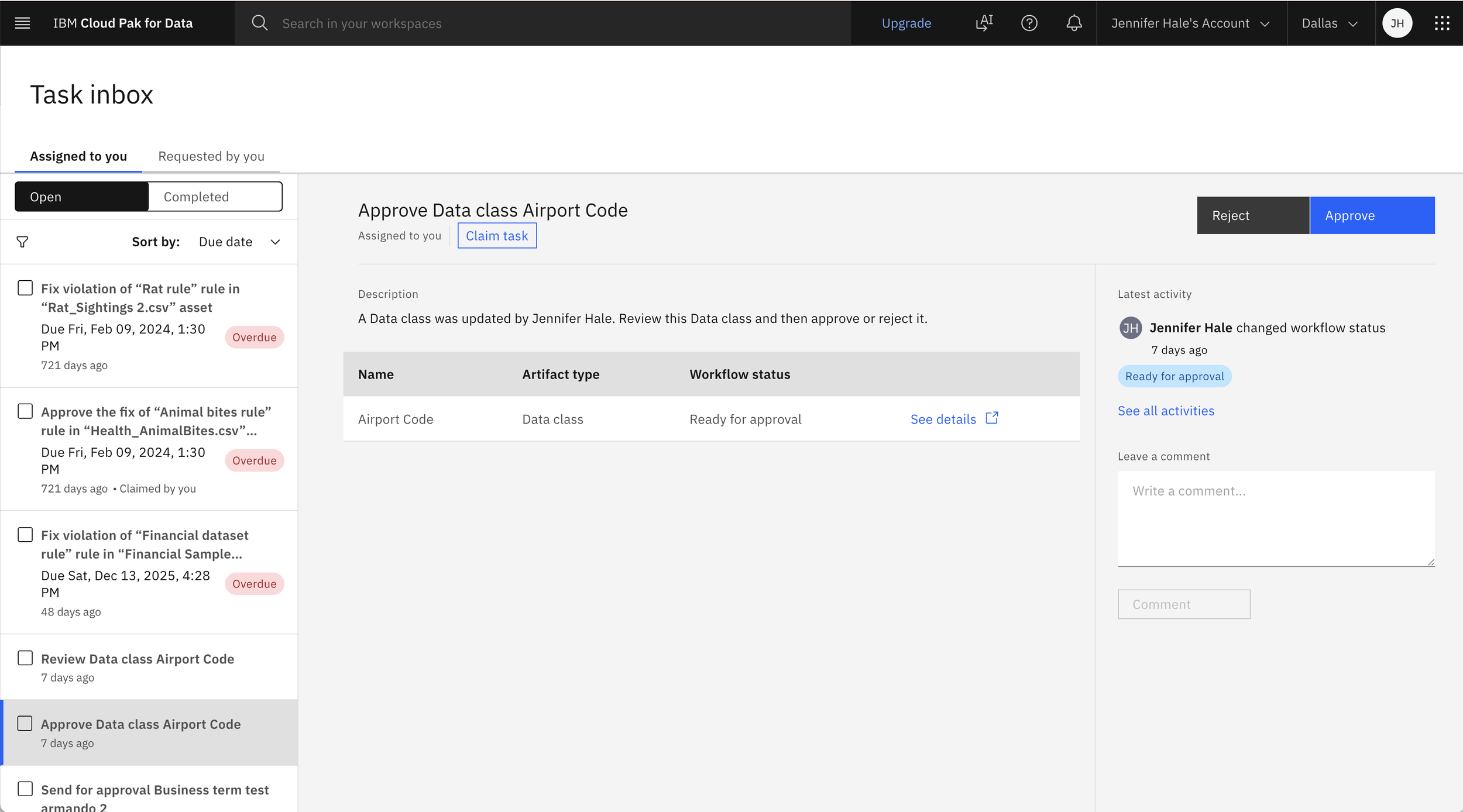
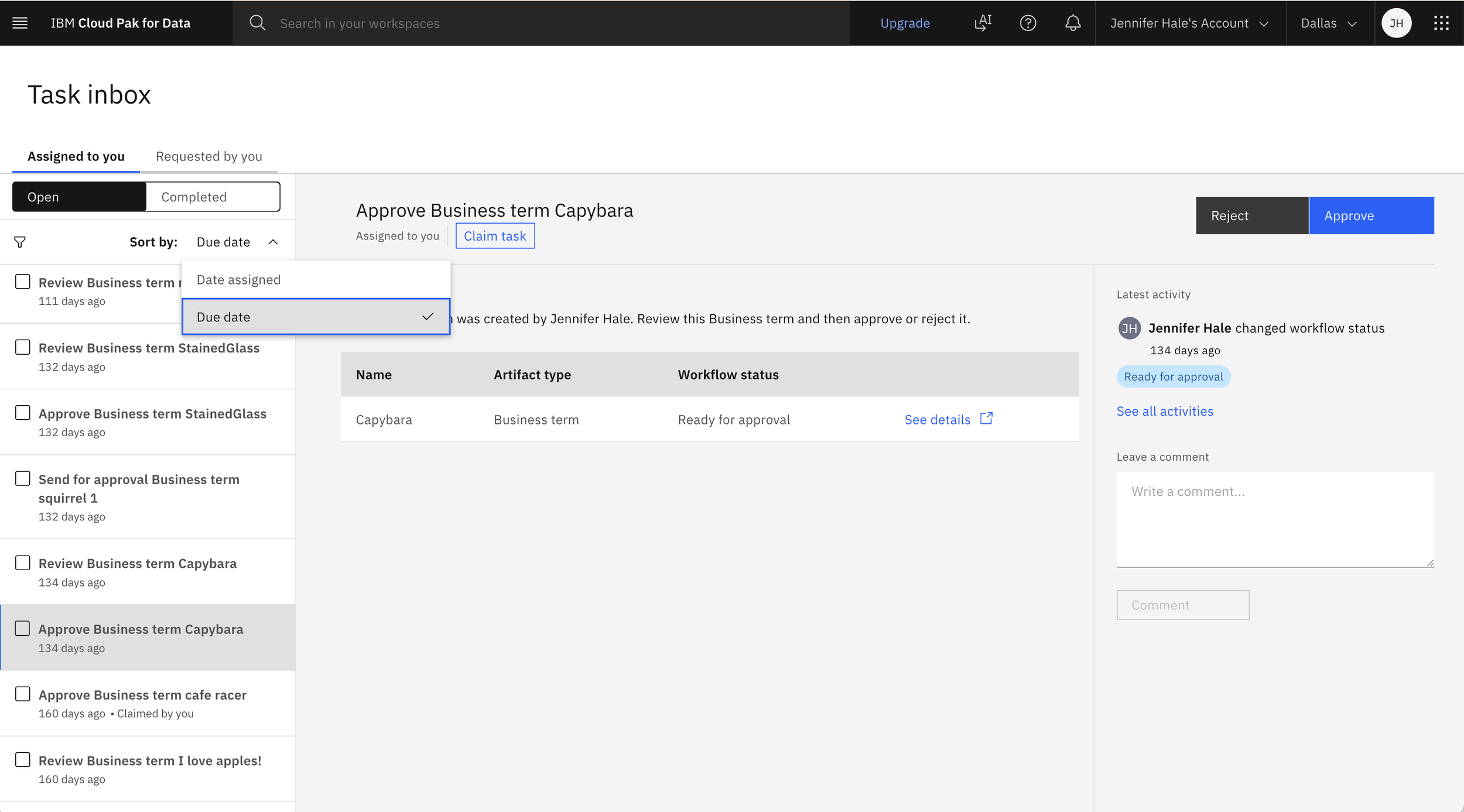
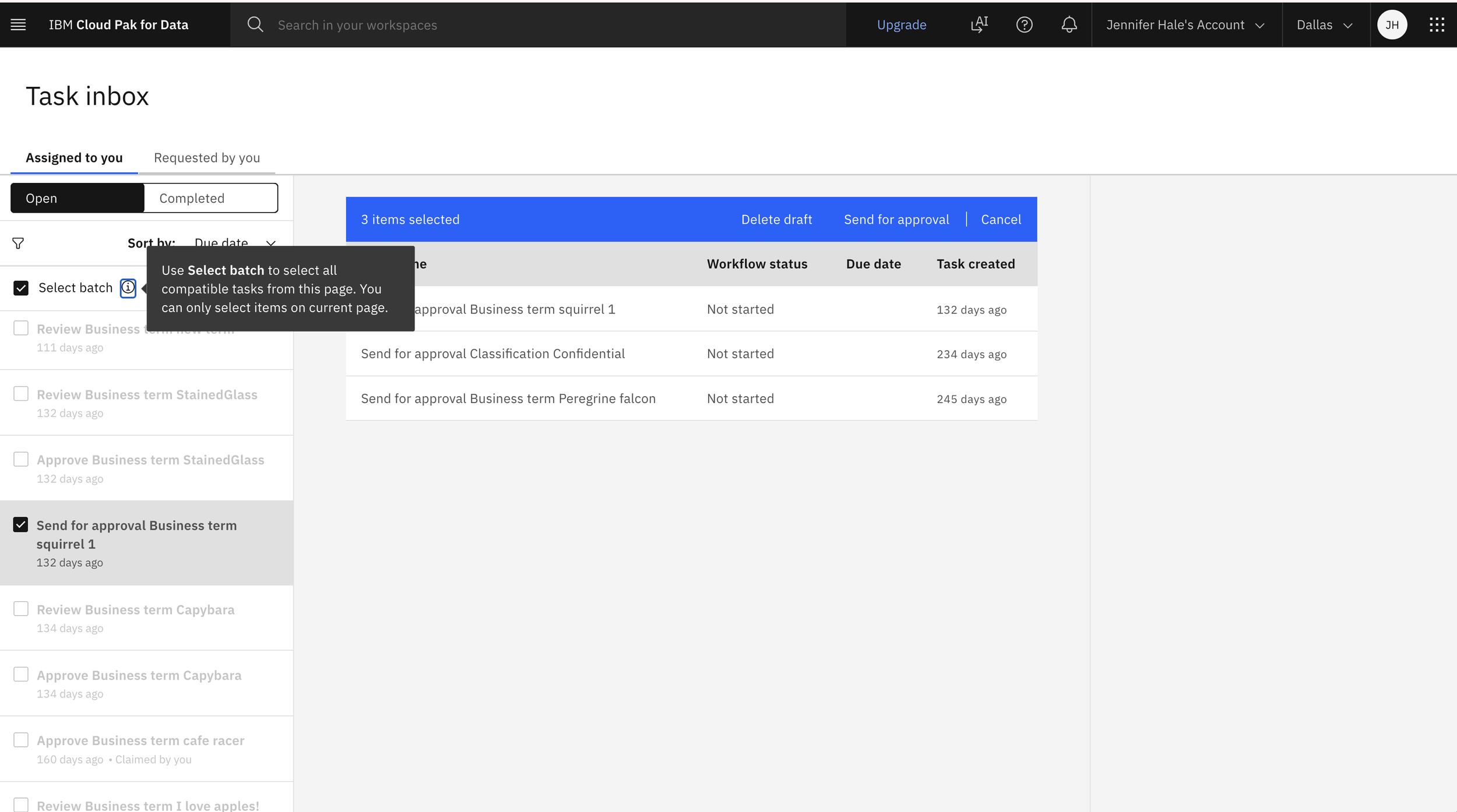
Task assignees needed a central place to view, claim, and complete workflow tasks, but the initial design couldn't scale. As usage grew, users struggled with long task lists, couldn't act on multiple tasks at once, and had no way to filter by status or urgency.
-
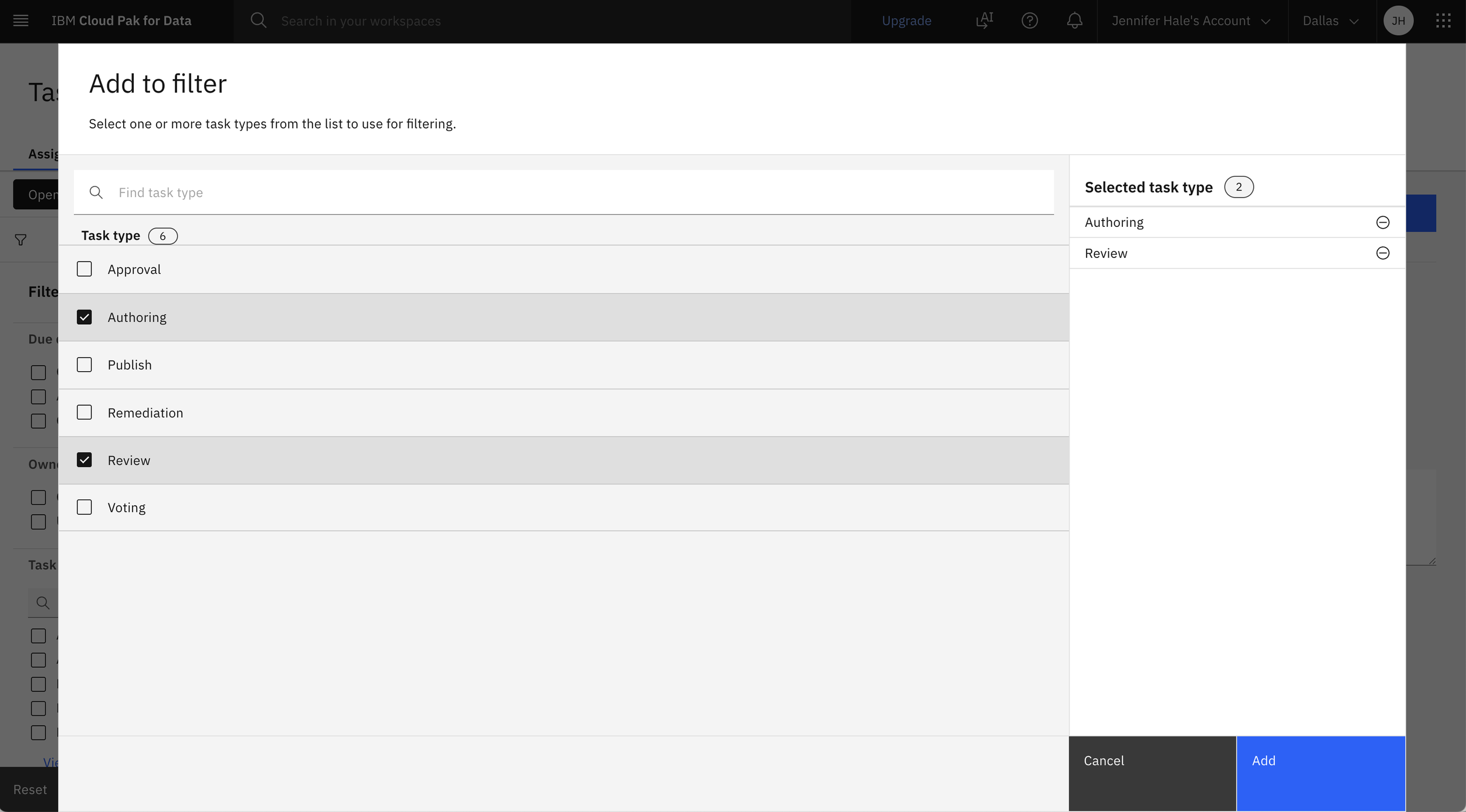
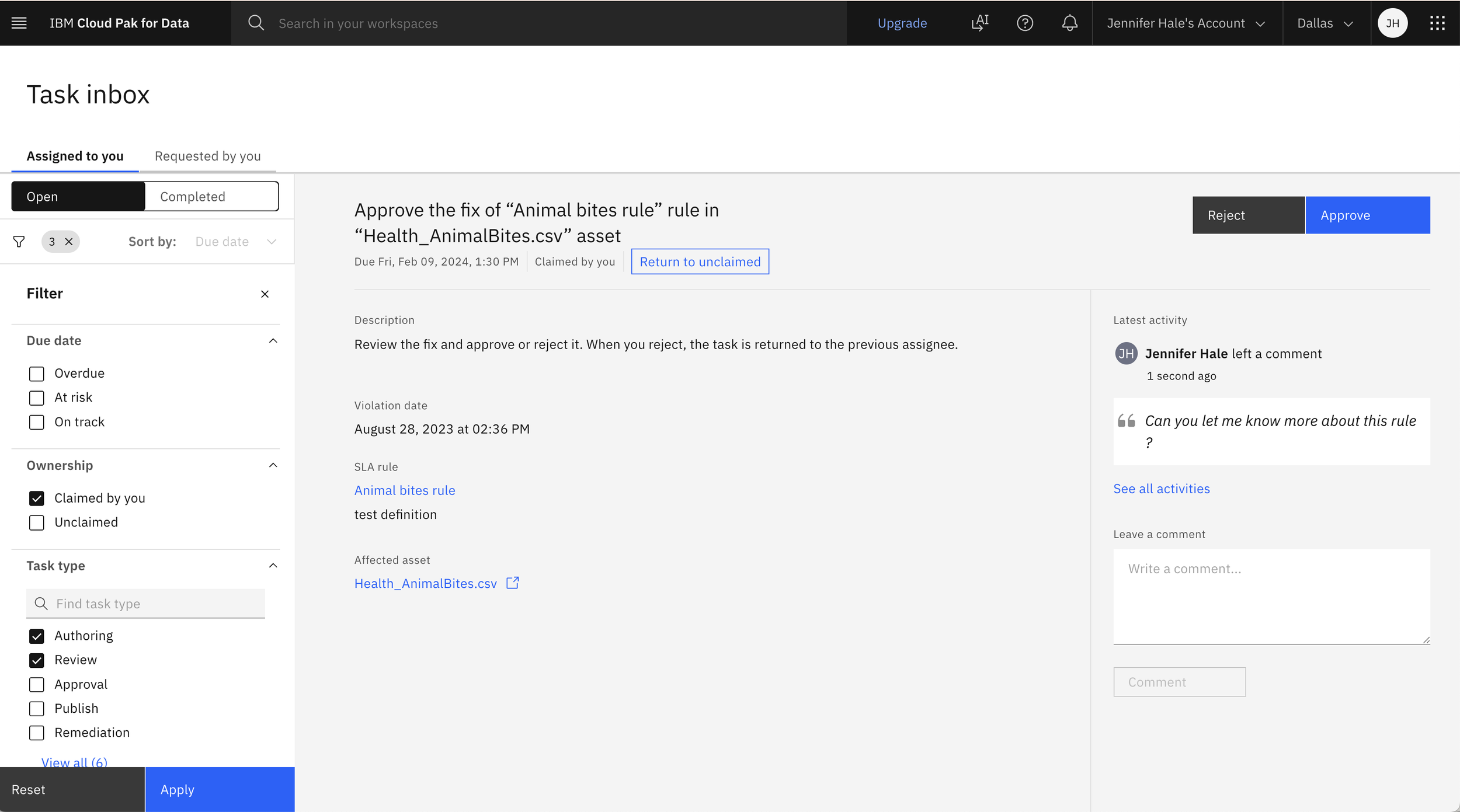
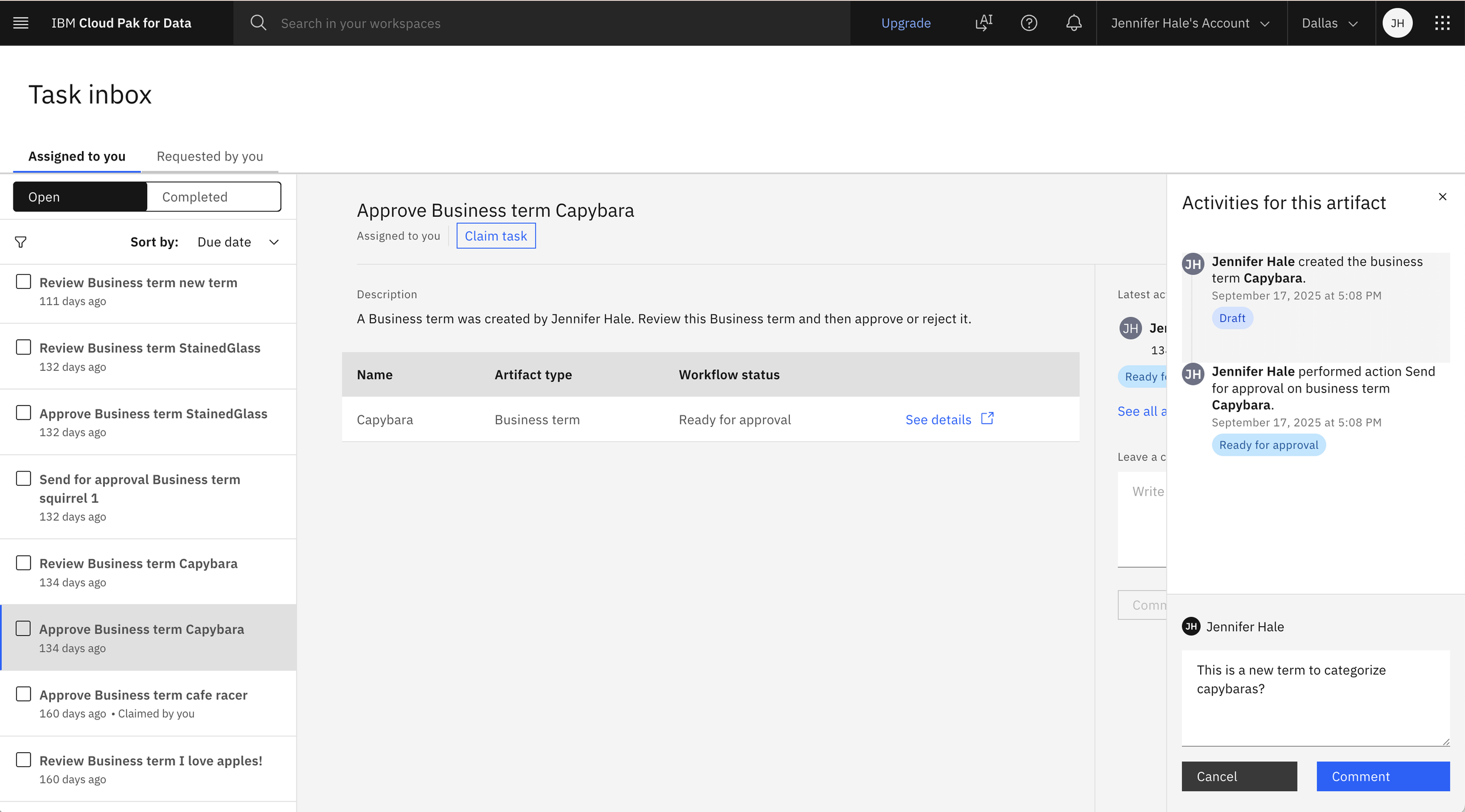
I owned Task Inbox design from early concepts through years of iteration. I added a filter panel for status, due date, and workflow type. I designed batch actions so users could claim or complete multiple tasks at once and later introduced pagination to handle large task volumes and improved accessibility for screen readers.
-
Task Inbox became the primary workspace for workflow users. Usability testing confirmed that users could find and act on tasks quickly. The inbox pattern was adopted by three other teams across CPD.
Task status page
Role: UX Designer
-
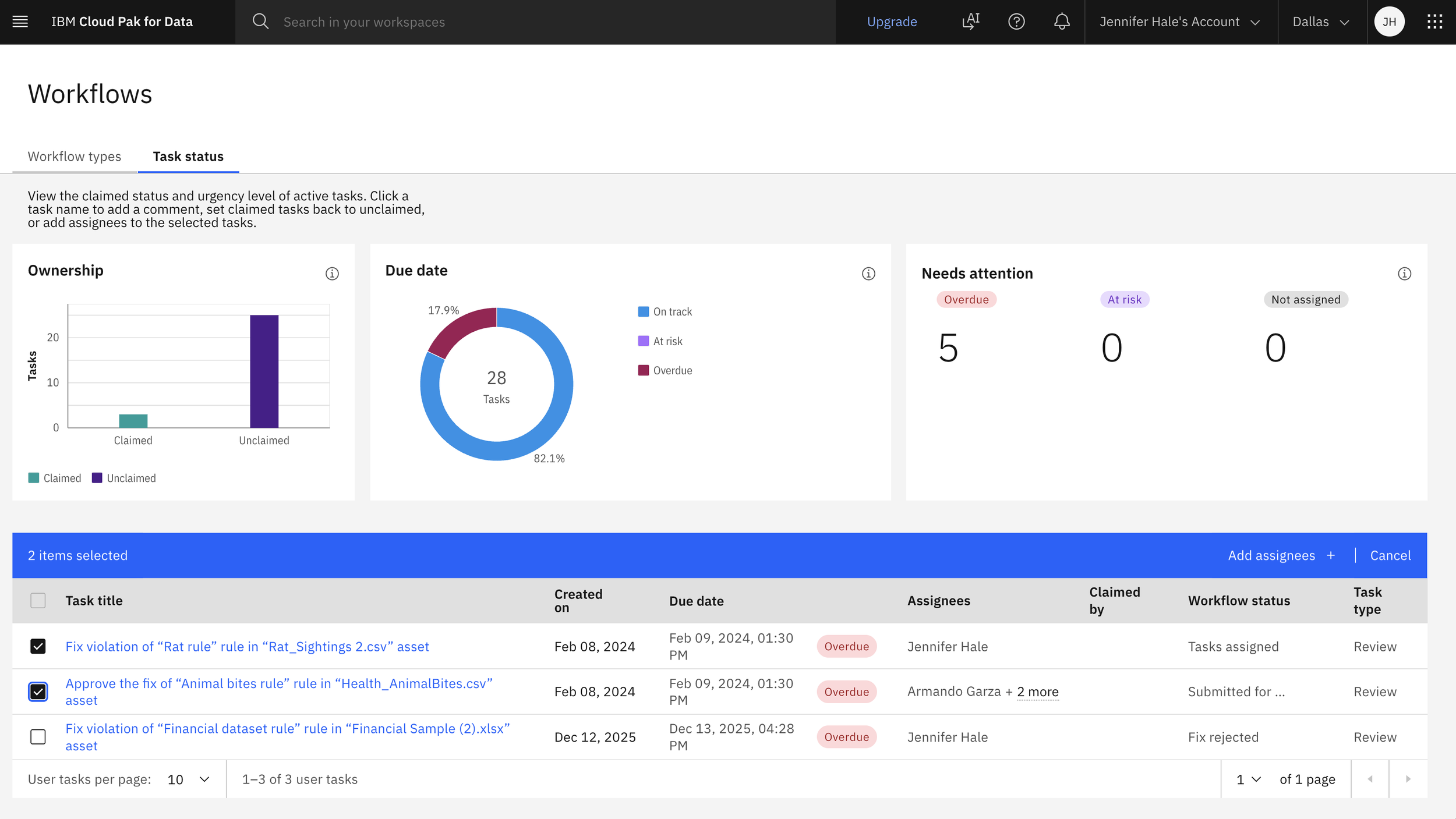
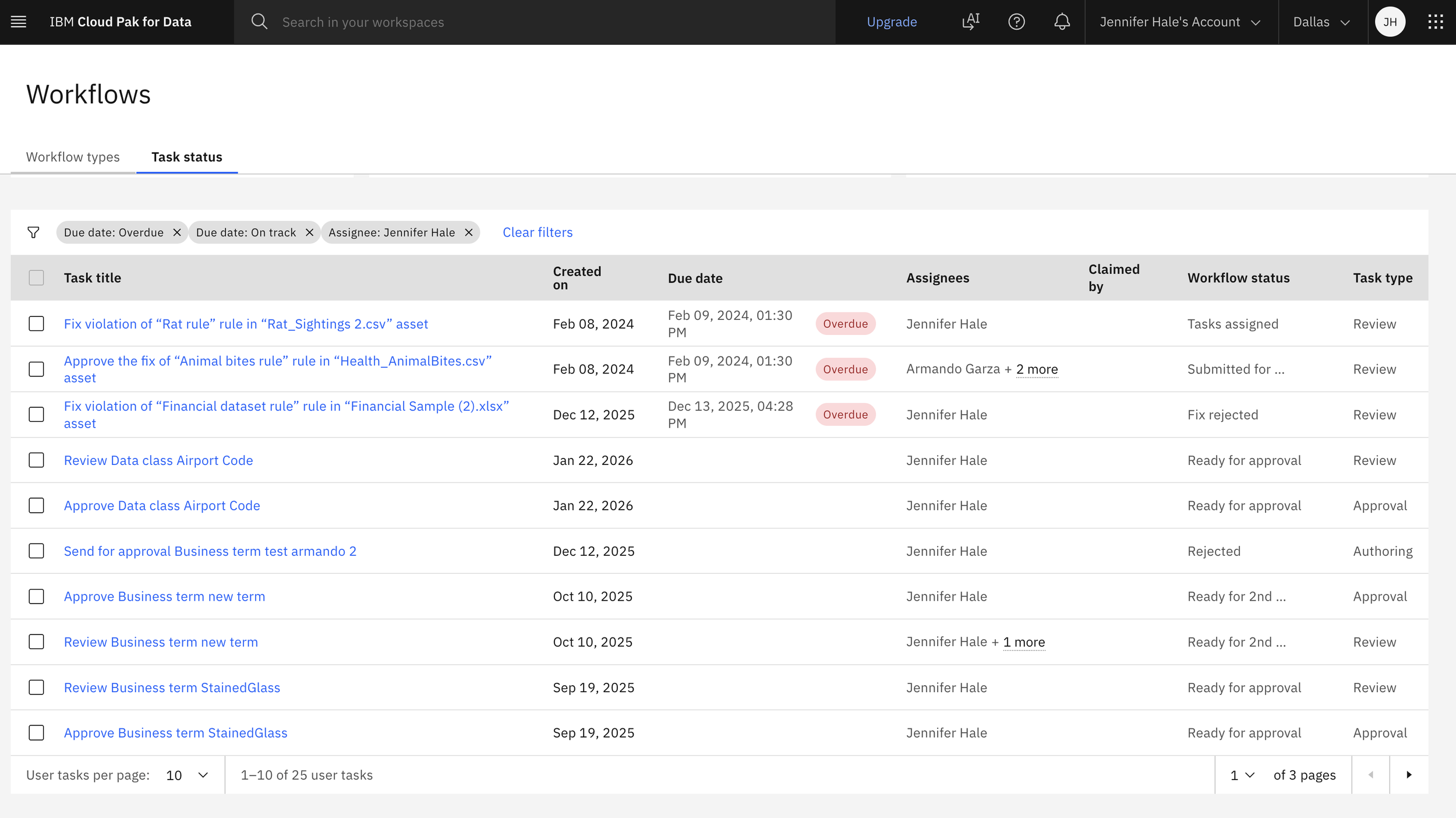
Admins had no visibility into workflow health. Tasks got stuck, deadlines slipped, and problems surfaced too late to fix. They needed a way to monitor team progress and intervene before tasks became overdue.
-
We designed a metrics dashboard showing task ownership, due dates, and "needs attention" flags at a glance. We also added task detail tearsheets so admins could reassign stuck tasks or set them to unclaimed without leaving the page.
-
Admins can now spot bottlenecks early and take action directly from the dashboard. The design became a reference for other monitoring pages across the platform.
UX Research
Role: Research Collaborator → Research Lead
-
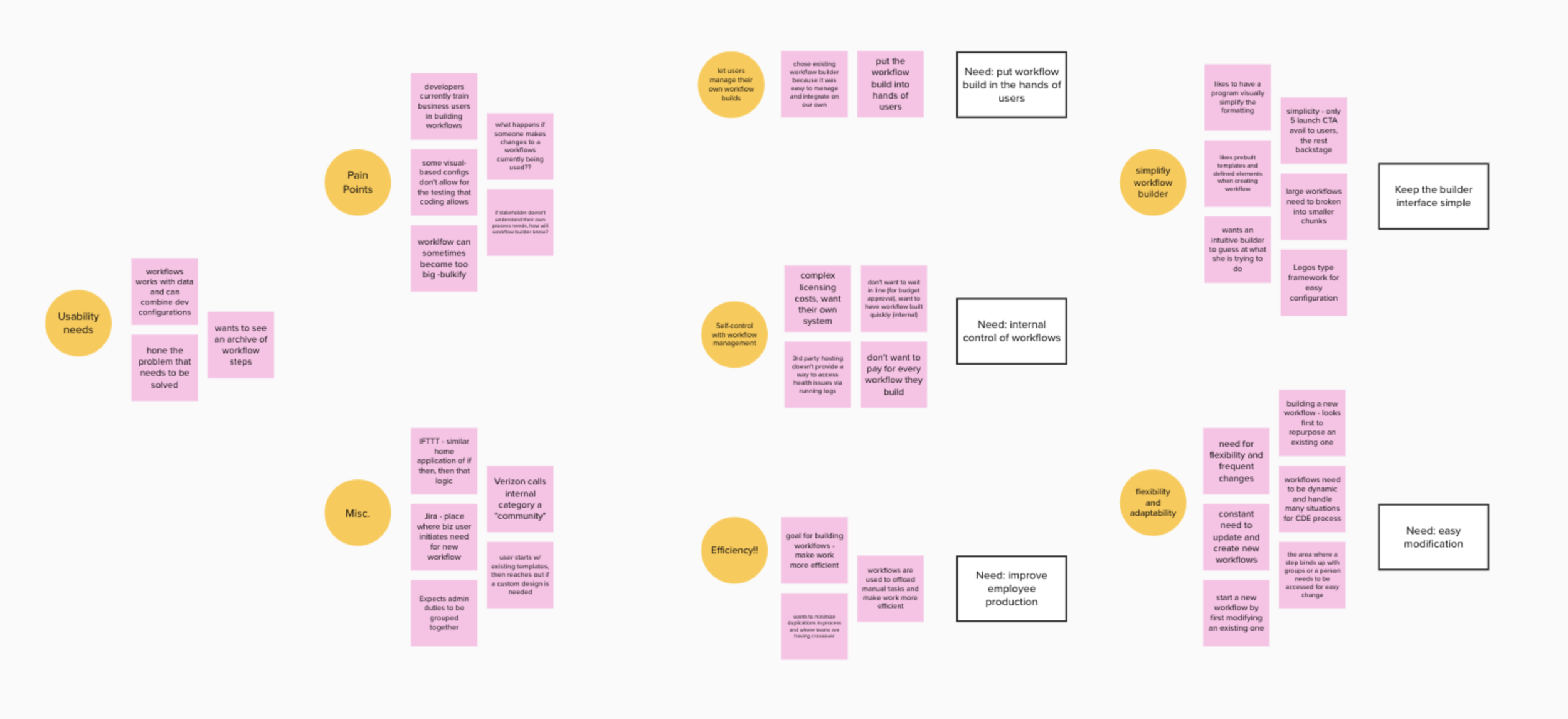
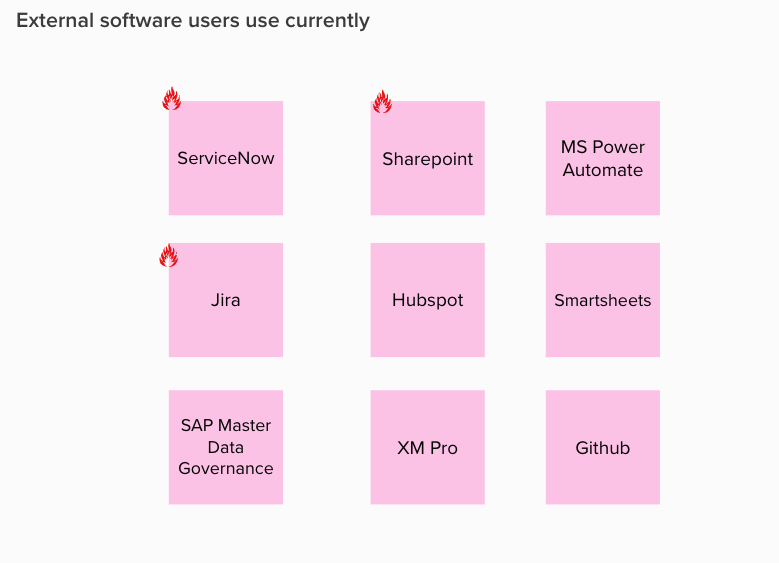
We needed to understand where Workflows could deliver the most value to customers. Who are the users, what are their pain points, and how do they manage governance processes today? Later, as AI capabilities emerged across the industry, we needed to understand how competitors were integrating AI and where IBM could differentiate.
-
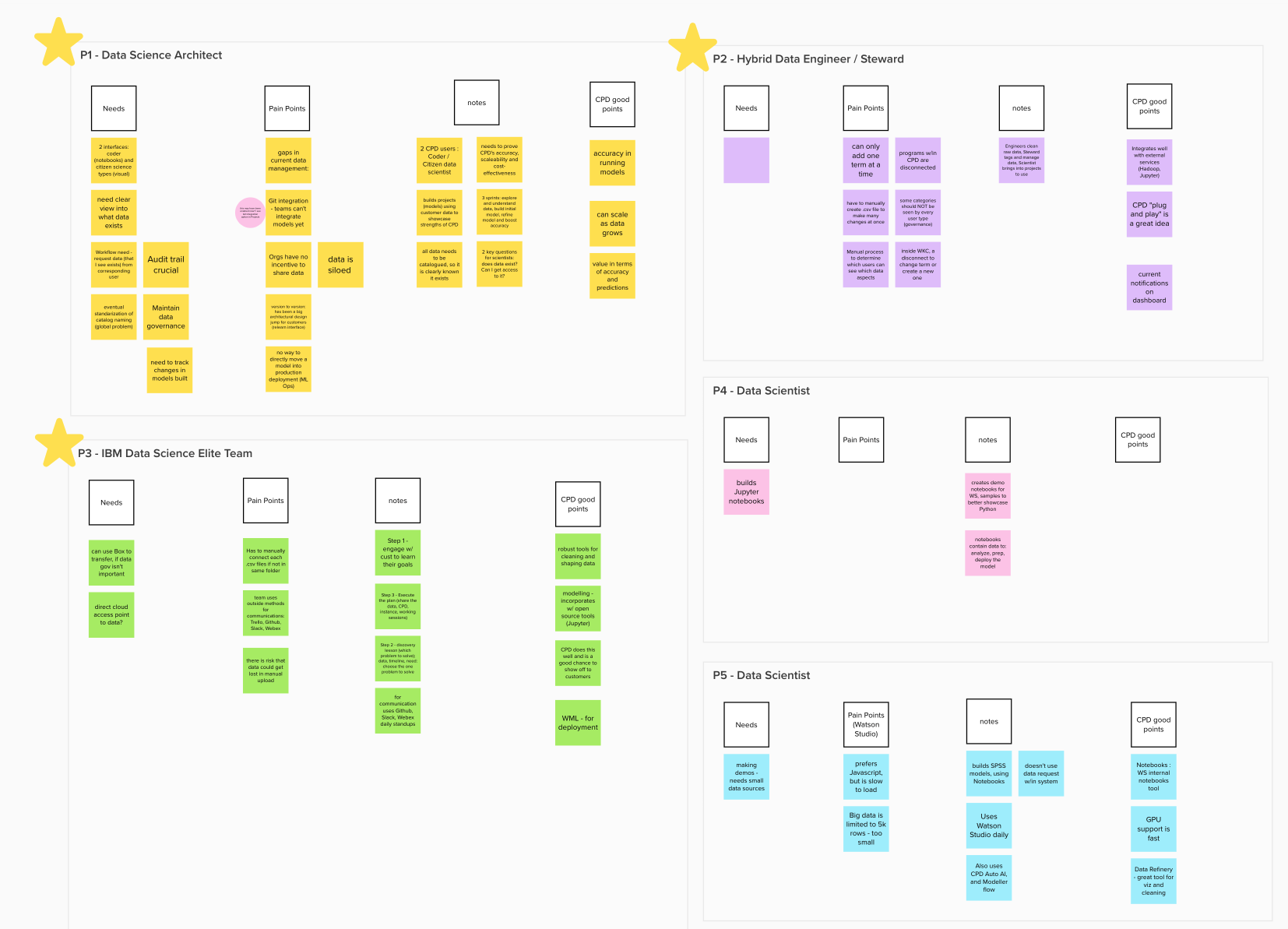
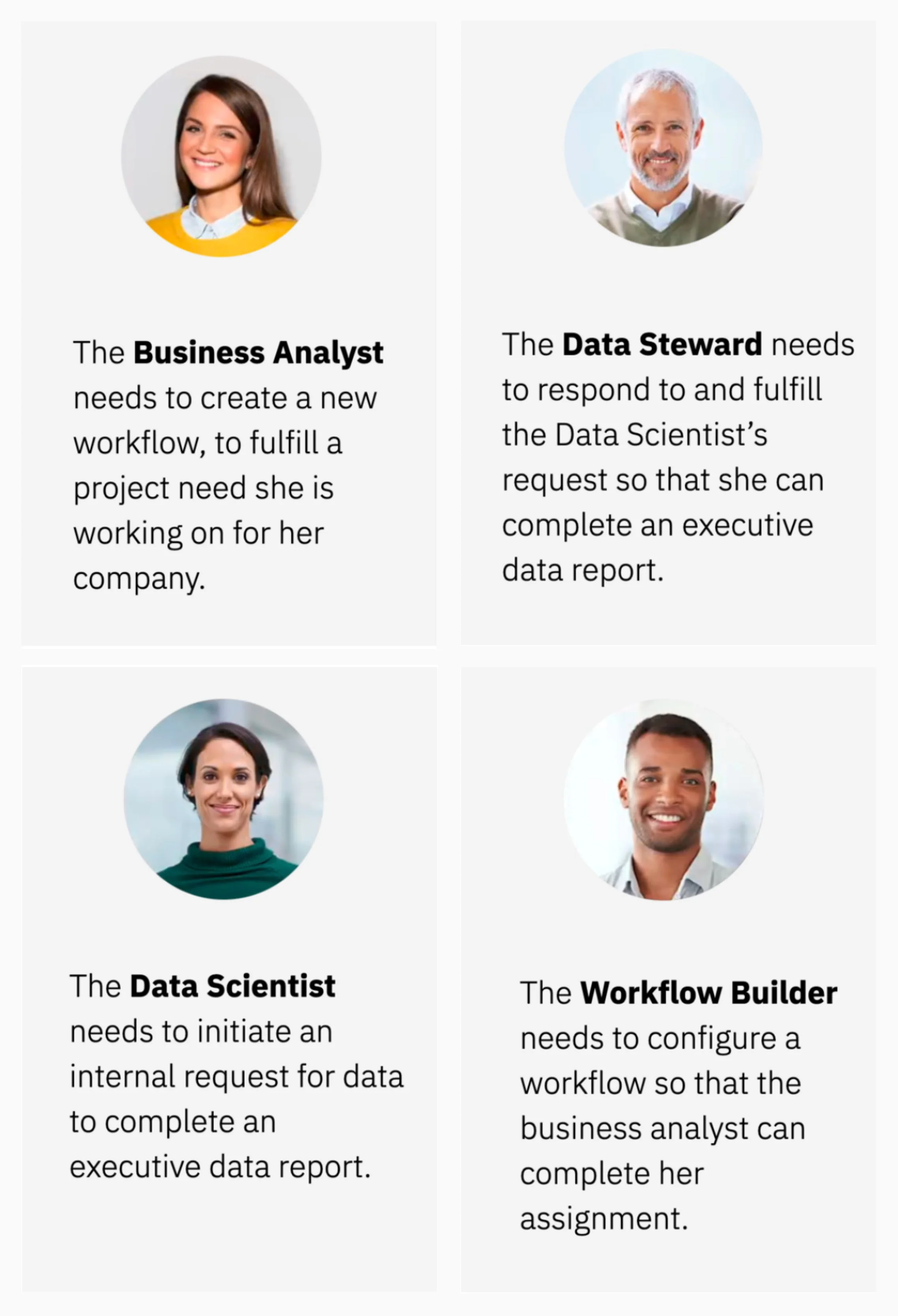
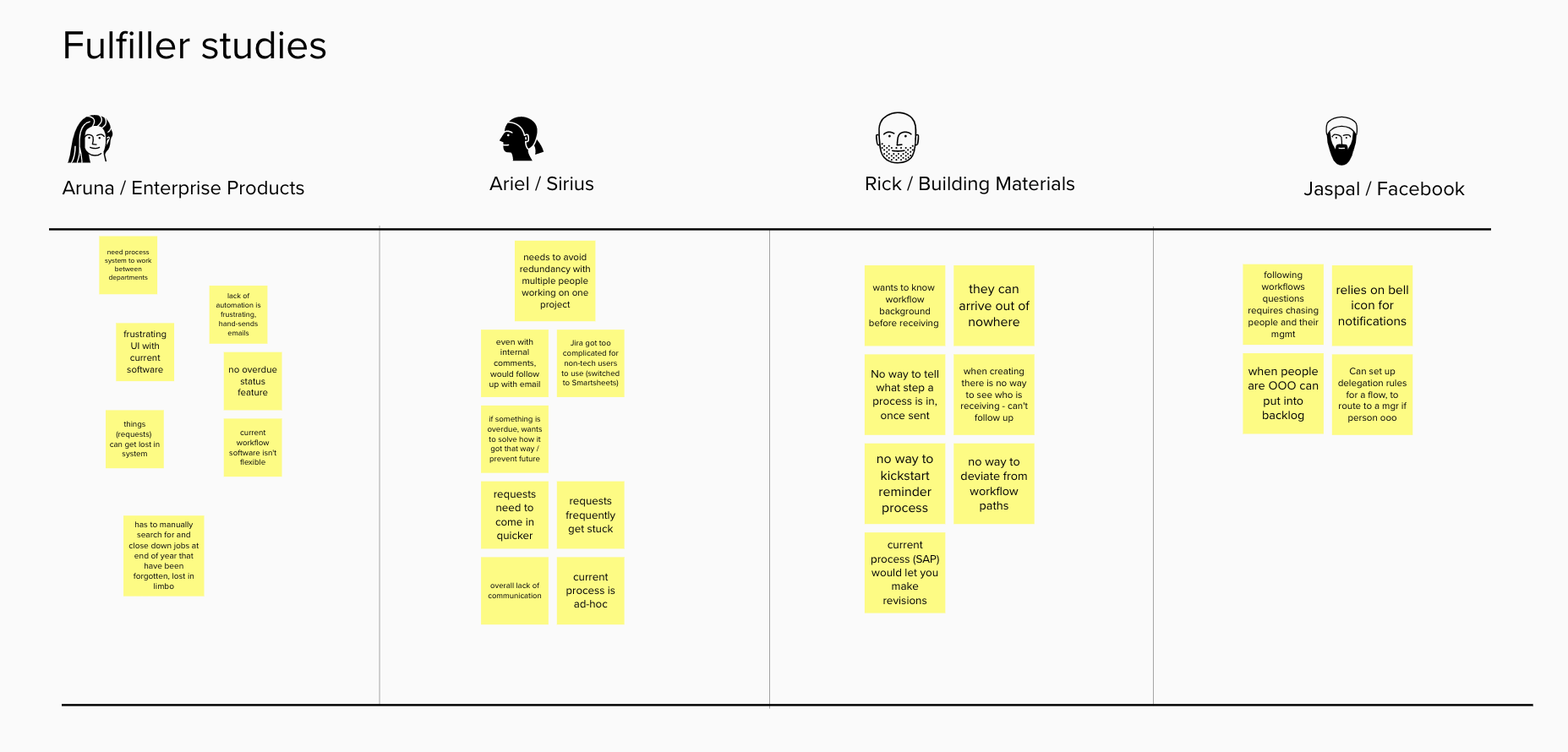
We conducted multiple research projects across different user types: requestors who submit tasks, fulfillers who complete them, and admins who configure workflows. Methods included user interviews, usability testing, and feedback synthesis. Partnered with researchers on early discovery and led validation studies on later features.
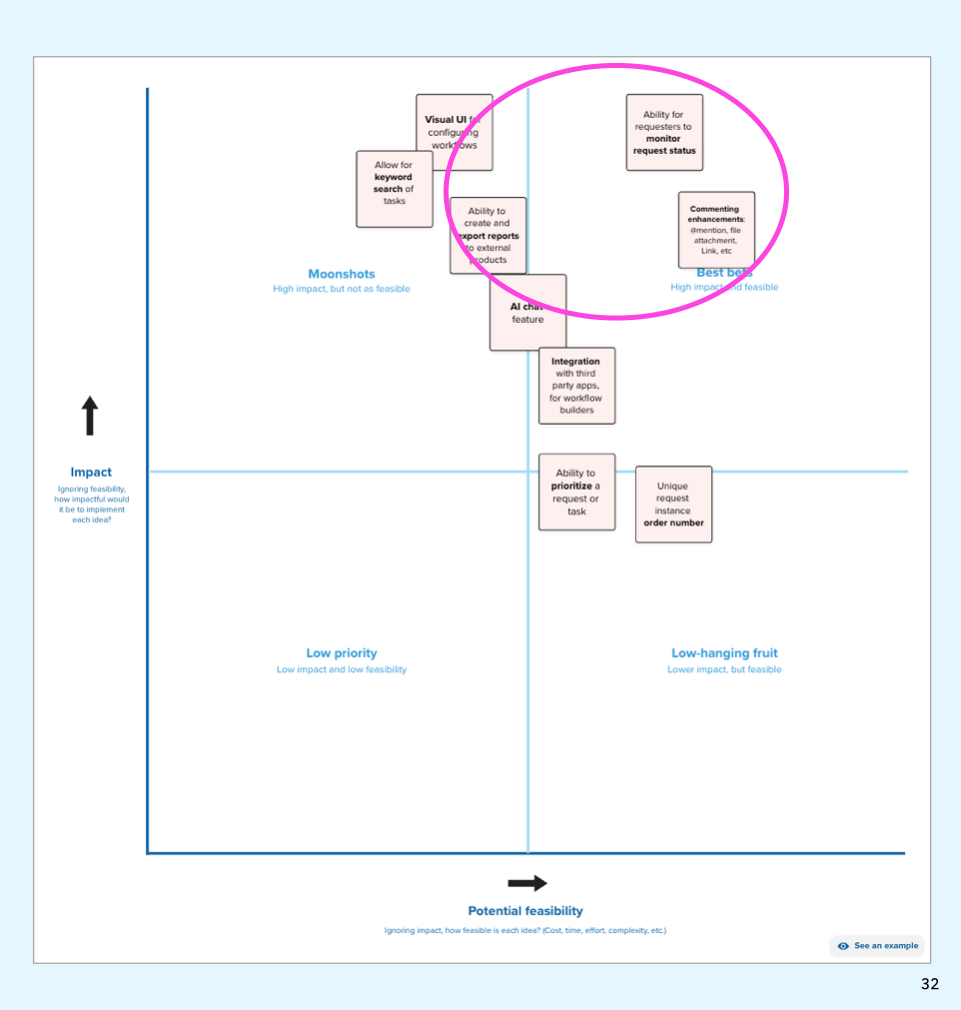
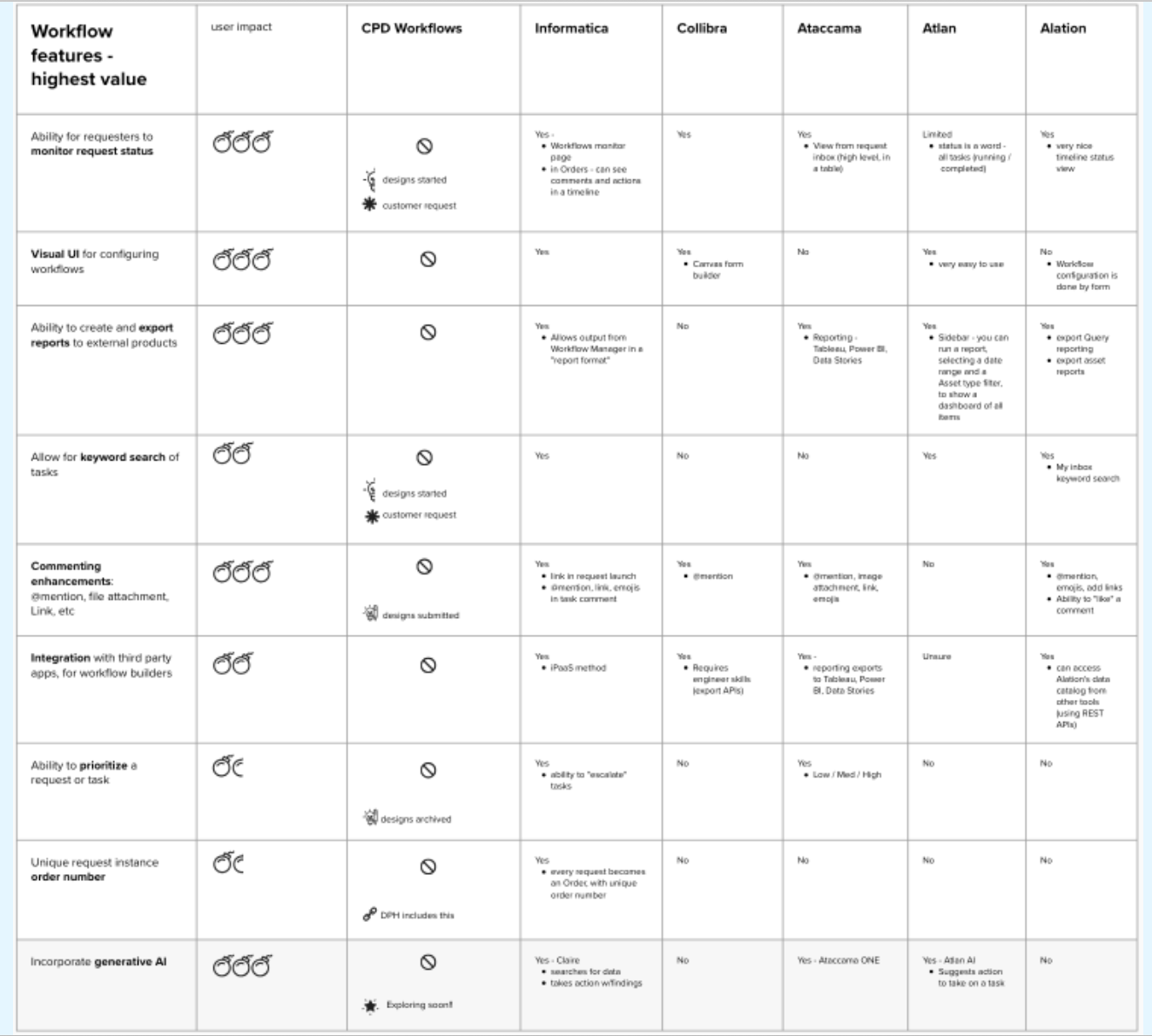
In 2025, I led a competitive study comparing workflow capabilities across market leaders. I evaluated features for requesters, fulfillers, and workflow builders — identifying gaps, differentiators, and high-value opportunities.
-
Early research shaped Task Inbox, filtering, and status monitoring. The competitive study produced four key recommendations, including request status visibility and AI integration, that informed our 2025–2026 roadmap.
“Data is often siloed between teams, with no incentive to discover or share. ”
“I’m blown away when people don’t question ways to constantly improve things and think outside box to make something different and better.”
Conclusion
Six years on the Workflows squad taught me how to grow alongside a product. I learned to:
Design for scale — Task Inbox launched with basic functionality, but as usage grew I added filtering, batch actions, and pagination to handle real-world volume
Build trust across disciplines — I led the QA process, onboarded two new PMs, and ran cross-team collaboration calls to keep everyone focused on the right design problems
Let research lead — user interviews and competitive analysis consistently surfaced problems we hadn't anticipated